•  
Pongal Festival - Singapore

Pongal Festival - Singapore

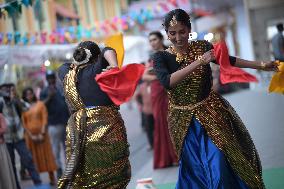
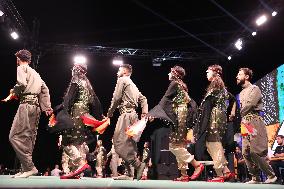
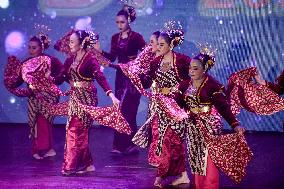
Performers dance during the media preview of the Pongal Festival celebration held in Singapore's Indian Heritage Centre on Jan. 9, 2026. Pongal Festival is a tradition celebrated in south India. This year's festival is held from Jan. 14 to 17. Singapore's Indian Heritage Centre will be hosting a series of Pongal Festival activities on the two weekends on Jan 10, 11, 17 and 18. (Photo by Then Chih Wey/Xinhua/ABACAPRESS.COM)

  •  
Holiday Spots Sighting - China

Holiday Spots Sighting - China

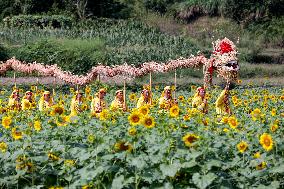
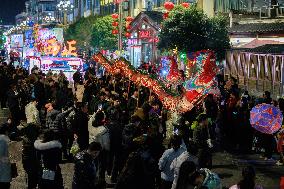
People dance with a straw-woven dragon at Shuyuan Village, Huizhou District of Huangshan City, east China's Anhui Province, October 4, 2025. Shuyuan's straw-woven dragon has been listed as a municipal-level intangible cultural heritage that boasts a history spanning over three centuries. Once the date for a dragon performance is slated at the village, locals would spontaneously collect and contribute straws for weaving of the dragon - an omen for a bountiful harvest. The straw-woven dragon performance on the occasion of the Mid-Autumn Festival has well blended cultural experience into sightseeing, which serves as a major tourist attraction this year. Photo by Fan Chengzhu/Xinhua/ABACAPRESS.COM

  •  
Straw-Woven Dragon Performance - China

Straw-Woven Dragon Performance - China

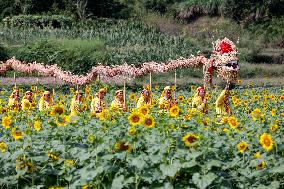
People dance with a straw-woven dragon at Shuyuan Village, Huizhou District of Huangshan City, east China's Anhui Province, October 4, 2025. As China's Mid-Autumn Festival approaches, villagers at Shuyuan Village highlights their celebration with the straw-woven dragon performance. Shuyuan's straw-woven dragon has been listed as a municipal-level intangible cultural heritage that boasts a history spanning over three centuries. Once the date for a dragon performance is slated at the village, locals would spontaneously collect and contribute straws for weaving of the dragon - an omen for a bountiful harvest. The straw-woven dragon performance on the occasion of the Mid-Autumn Festival has well blended cultural experience into sightseeing, which serves as a major tourist attraction this year. Photo by Fan Chengzhu/Xinhua/ABACAPRESS.COM

  •  
Straw-Woven Dragon Performance - China

Straw-Woven Dragon Performance - China

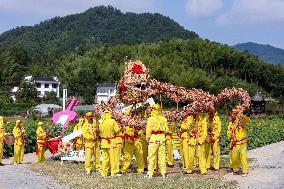
People dance with a straw-woven dragon at Shuyuan Village, Huizhou District of Huangshan City, east China's Anhui Province, October 4, 2025. As China's Mid-Autumn Festival approaches, villagers at Shuyuan Village highlights their celebration with the straw-woven dragon performance. Shuyuan's straw-woven dragon has been listed as a municipal-level intangible cultural heritage that boasts a history spanning over three centuries. Once the date for a dragon performance is slated at the village, locals would spontaneously collect and contribute straws for weaving of the dragon - an omen for a bountiful harvest. The straw-woven dragon performance on the occasion of the Mid-Autumn Festival has well blended cultural experience into sightseeing, which serves as a major tourist attraction this year. Photo by Fan Chengzhu/Xinhua/ABACAPRESS.COM

  •  
Indian Kalbeliya Gypsy Dancers Performs - India

Indian Kalbeliya Gypsy Dancers Performs - India

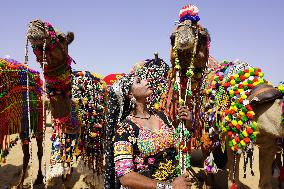
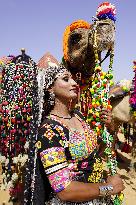
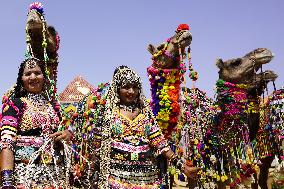
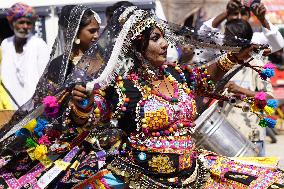
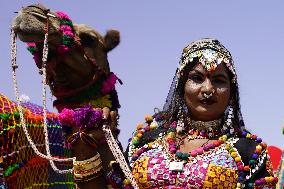
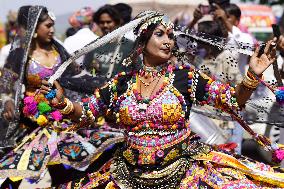
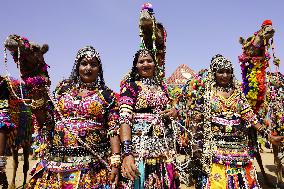
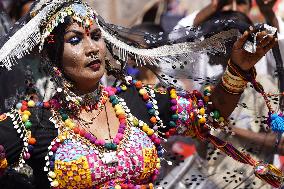
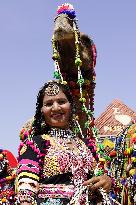
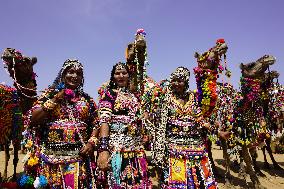
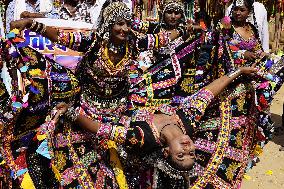
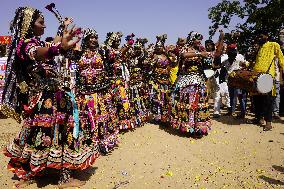
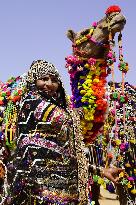
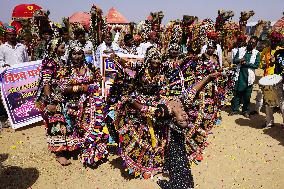
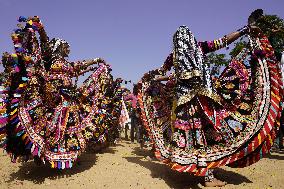
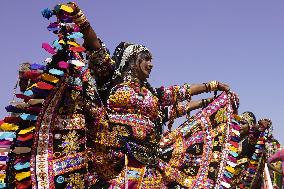
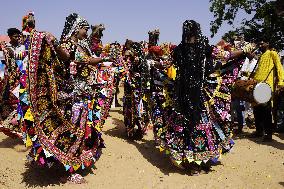
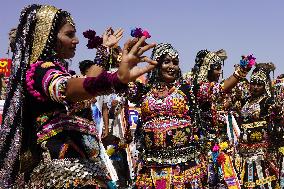
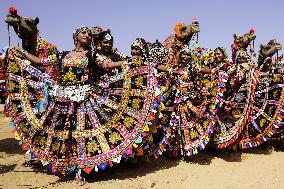
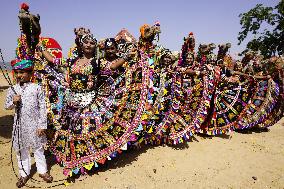
Indian Kalbeliya gypsy dancers Performs during the "World Tourism Day" celebration at the Desert of Pushkar, Rajasthan, India on September 27, 2025. Kalbeliya refers to both a nomadic community of traditional snake-catchers in Rajasthan, India, and a vibrant folk dance performed by this community, also known as the "Snake Charmer Dance" or "Sapera Dance". The dance, which features serpentine movements, traditional instruments like the pungi (snake charmer's pipe), and colorful attire, is a significant part of the Kalbelia tribe's oral history and cultural heritage, recognized by UNESCO as an Intangible Cultural Heritage. Photo by ABACAPRESS.COM

  •  
Indian Kalbeliya Gypsy Dancers Performs - India

Indian Kalbeliya Gypsy Dancers Performs - India

Indian Kalbeliya gypsy dancers Performs during the "World Tourism Day" celebration at the Desert of Pushkar, Rajasthan, India on September 27, 2025. Kalbeliya refers to both a nomadic community of traditional snake-catchers in Rajasthan, India, and a vibrant folk dance performed by this community, also known as the "Snake Charmer Dance" or "Sapera Dance". The dance, which features serpentine movements, traditional instruments like the pungi (snake charmer's pipe), and colorful attire, is a significant part of the Kalbelia tribe's oral history and cultural heritage, recognized by UNESCO as an Intangible Cultural Heritage. Photo by ABACAPRESS.COM

  •  
Indian Kalbeliya Gypsy Dancers Performs - India

Indian Kalbeliya Gypsy Dancers Performs - India

Indian Kalbeliya gypsy dancers Performs during the "World Tourism Day" celebration at the Desert of Pushkar, Rajasthan, India on September 27, 2025. Kalbeliya refers to both a nomadic community of traditional snake-catchers in Rajasthan, India, and a vibrant folk dance performed by this community, also known as the "Snake Charmer Dance" or "Sapera Dance". The dance, which features serpentine movements, traditional instruments like the pungi (snake charmer's pipe), and colorful attire, is a significant part of the Kalbelia tribe's oral history and cultural heritage, recognized by UNESCO as an Intangible Cultural Heritage. Photo by ABACAPRESS.COM

  •  
Indian Kalbeliya Gypsy Dancers Performs - India

Indian Kalbeliya Gypsy Dancers Performs - India

Indian Kalbeliya gypsy dancers Performs during the "World Tourism Day" celebration at the Desert of Pushkar, Rajasthan, India on September 27, 2025. Kalbeliya refers to both a nomadic community of traditional snake-catchers in Rajasthan, India, and a vibrant folk dance performed by this community, also known as the "Snake Charmer Dance" or "Sapera Dance". The dance, which features serpentine movements, traditional instruments like the pungi (snake charmer's pipe), and colorful attire, is a significant part of the Kalbelia tribe's oral history and cultural heritage, recognized by UNESCO as an Intangible Cultural Heritage. Photo by ABACAPRESS.COM

  •  
Indian Kalbeliya Gypsy Dancers Performs - India

Indian Kalbeliya Gypsy Dancers Performs - India

Indian Kalbeliya gypsy dancers Performs during the "World Tourism Day" celebration at the Desert of Pushkar, Rajasthan, India on September 27, 2025. Kalbeliya refers to both a nomadic community of traditional snake-catchers in Rajasthan, India, and a vibrant folk dance performed by this community, also known as the "Snake Charmer Dance" or "Sapera Dance". The dance, which features serpentine movements, traditional instruments like the pungi (snake charmer's pipe), and colorful attire, is a significant part of the Kalbelia tribe's oral history and cultural heritage, recognized by UNESCO as an Intangible Cultural Heritage. Photo by ABACAPRESS.COM

  •  
Indian Kalbeliya Gypsy Dancers Performs - India

Indian Kalbeliya Gypsy Dancers Performs - India

Indian Kalbeliya gypsy dancers Performs during the "World Tourism Day" celebration at the Desert of Pushkar, Rajasthan, India on September 27, 2025. Kalbeliya refers to both a nomadic community of traditional snake-catchers in Rajasthan, India, and a vibrant folk dance performed by this community, also known as the "Snake Charmer Dance" or "Sapera Dance". The dance, which features serpentine movements, traditional instruments like the pungi (snake charmer's pipe), and colorful attire, is a significant part of the Kalbelia tribe's oral history and cultural heritage, recognized by UNESCO as an Intangible Cultural Heritage. Photo by ABACAPRESS.COM

  •  
Indian Kalbeliya Gypsy Dancers Performs - India

Indian Kalbeliya Gypsy Dancers Performs - India

Indian Kalbeliya gypsy dancers Performs during the "World Tourism Day" celebration at the Desert of Pushkar, Rajasthan, India on September 27, 2025. Kalbeliya refers to both a nomadic community of traditional snake-catchers in Rajasthan, India, and a vibrant folk dance performed by this community, also known as the "Snake Charmer Dance" or "Sapera Dance". The dance, which features serpentine movements, traditional instruments like the pungi (snake charmer's pipe), and colorful attire, is a significant part of the Kalbelia tribe's oral history and cultural heritage, recognized by UNESCO as an Intangible Cultural Heritage. Photo by ABACAPRESS.COM

  •  
Indian Kalbeliya Gypsy Dancers Performs - India

Indian Kalbeliya Gypsy Dancers Performs - India

Indian Kalbeliya gypsy dancers Performs during the "World Tourism Day" celebration at the Desert of Pushkar, Rajasthan, India on September 27, 2025. Kalbeliya refers to both a nomadic community of traditional snake-catchers in Rajasthan, India, and a vibrant folk dance performed by this community, also known as the "Snake Charmer Dance" or "Sapera Dance". The dance, which features serpentine movements, traditional instruments like the pungi (snake charmer's pipe), and colorful attire, is a significant part of the Kalbelia tribe's oral history and cultural heritage, recognized by UNESCO as an Intangible Cultural Heritage. Photo by ABACAPRESS.COM

  •  
Indian Kalbeliya Gypsy Dancers Performs - India

Indian Kalbeliya Gypsy Dancers Performs - India

Indian Kalbeliya gypsy dancers Performs during the "World Tourism Day" celebration at the Desert of Pushkar, Rajasthan, India on September 27, 2025. Kalbeliya refers to both a nomadic community of traditional snake-catchers in Rajasthan, India, and a vibrant folk dance performed by this community, also known as the "Snake Charmer Dance" or "Sapera Dance". The dance, which features serpentine movements, traditional instruments like the pungi (snake charmer's pipe), and colorful attire, is a significant part of the Kalbelia tribe's oral history and cultural heritage, recognized by UNESCO as an Intangible Cultural Heritage. Photo by ABACAPRESS.COM

  •  
Indian Kalbeliya Gypsy Dancers Performs - India

Indian Kalbeliya Gypsy Dancers Performs - India

Indian Kalbeliya gypsy dancers Performs during the "World Tourism Day" celebration at the Desert of Pushkar, Rajasthan, India on September 27, 2025. Kalbeliya refers to both a nomadic community of traditional snake-catchers in Rajasthan, India, and a vibrant folk dance performed by this community, also known as the "Snake Charmer Dance" or "Sapera Dance". The dance, which features serpentine movements, traditional instruments like the pungi (snake charmer's pipe), and colorful attire, is a significant part of the Kalbelia tribe's oral history and cultural heritage, recognized by UNESCO as an Intangible Cultural Heritage. Photo by ABACAPRESS.COM

  •  
Indian Kalbeliya Gypsy Dancers Performs - India

Indian Kalbeliya Gypsy Dancers Performs - India

Indian Kalbeliya gypsy dancers Performs during the "World Tourism Day" celebration at the Desert of Pushkar, Rajasthan, India on September 27, 2025. Kalbeliya refers to both a nomadic community of traditional snake-catchers in Rajasthan, India, and a vibrant folk dance performed by this community, also known as the "Snake Charmer Dance" or "Sapera Dance". The dance, which features serpentine movements, traditional instruments like the pungi (snake charmer's pipe), and colorful attire, is a significant part of the Kalbelia tribe's oral history and cultural heritage, recognized by UNESCO as an Intangible Cultural Heritage. Photo by ABACAPRESS.COM

  •  
Indian Kalbeliya Gypsy Dancers Performs - India

Indian Kalbeliya Gypsy Dancers Performs - India

Indian Kalbeliya gypsy dancers Performs during the "World Tourism Day" celebration at the Desert of Pushkar, Rajasthan, India on September 27, 2025. Kalbeliya refers to both a nomadic community of traditional snake-catchers in Rajasthan, India, and a vibrant folk dance performed by this community, also known as the "Snake Charmer Dance" or "Sapera Dance". The dance, which features serpentine movements, traditional instruments like the pungi (snake charmer's pipe), and colorful attire, is a significant part of the Kalbelia tribe's oral history and cultural heritage, recognized by UNESCO as an Intangible Cultural Heritage. Photo by ABACAPRESS.COM

  •  
Indian Kalbeliya Gypsy Dancers Performs - India

Indian Kalbeliya Gypsy Dancers Performs - India

Indian Kalbeliya gypsy dancers Performs during the "World Tourism Day" celebration at the Desert of Pushkar, Rajasthan, India on September 27, 2025. Kalbeliya refers to both a nomadic community of traditional snake-catchers in Rajasthan, India, and a vibrant folk dance performed by this community, also known as the "Snake Charmer Dance" or "Sapera Dance". The dance, which features serpentine movements, traditional instruments like the pungi (snake charmer's pipe), and colorful attire, is a significant part of the Kalbelia tribe's oral history and cultural heritage, recognized by UNESCO as an Intangible Cultural Heritage. Photo by ABACAPRESS.COM

  •  
Indian Kalbeliya Gypsy Dancers Performs - India

Indian Kalbeliya Gypsy Dancers Performs - India

Indian Kalbeliya gypsy dancers Performs during the "World Tourism Day" celebration at the Desert of Pushkar, Rajasthan, India on September 27, 2025. Kalbeliya refers to both a nomadic community of traditional snake-catchers in Rajasthan, India, and a vibrant folk dance performed by this community, also known as the "Snake Charmer Dance" or "Sapera Dance". The dance, which features serpentine movements, traditional instruments like the pungi (snake charmer's pipe), and colorful attire, is a significant part of the Kalbelia tribe's oral history and cultural heritage, recognized by UNESCO as an Intangible Cultural Heritage. Photo by ABACAPRESS.COM

  •  
Indian Kalbeliya Gypsy Dancers Performs - India

Indian Kalbeliya Gypsy Dancers Performs - India

Indian Kalbeliya gypsy dancers Performs during the "World Tourism Day" celebration at the Desert of Pushkar, Rajasthan, India on September 27, 2025. Kalbeliya refers to both a nomadic community of traditional snake-catchers in Rajasthan, India, and a vibrant folk dance performed by this community, also known as the "Snake Charmer Dance" or "Sapera Dance". The dance, which features serpentine movements, traditional instruments like the pungi (snake charmer's pipe), and colorful attire, is a significant part of the Kalbelia tribe's oral history and cultural heritage, recognized by UNESCO as an Intangible Cultural Heritage. Photo by ABACAPRESS.COM

  •  
Indian Kalbeliya Gypsy Dancers Performs - India

Indian Kalbeliya Gypsy Dancers Performs - India

Indian Kalbeliya gypsy dancers Performs during the "World Tourism Day" celebration at the Desert of Pushkar, Rajasthan, India on September 27, 2025. Kalbeliya refers to both a nomadic community of traditional snake-catchers in Rajasthan, India, and a vibrant folk dance performed by this community, also known as the "Snake Charmer Dance" or "Sapera Dance". The dance, which features serpentine movements, traditional instruments like the pungi (snake charmer's pipe), and colorful attire, is a significant part of the Kalbelia tribe's oral history and cultural heritage, recognized by UNESCO as an Intangible Cultural Heritage. Photo by ABACAPRESS.COM

  •  
Indian Kalbeliya Gypsy Dancers Performs - India

Indian Kalbeliya Gypsy Dancers Performs - India

Indian Kalbeliya gypsy dancers Performs during the "World Tourism Day" celebration at the Desert of Pushkar, Rajasthan, India on September 27, 2025. Kalbeliya refers to both a nomadic community of traditional snake-catchers in Rajasthan, India, and a vibrant folk dance performed by this community, also known as the "Snake Charmer Dance" or "Sapera Dance". The dance, which features serpentine movements, traditional instruments like the pungi (snake charmer's pipe), and colorful attire, is a significant part of the Kalbelia tribe's oral history and cultural heritage, recognized by UNESCO as an Intangible Cultural Heritage. Photo by ABACAPRESS.COM

  •  
Indian Kalbeliya Gypsy Dancers Performs - India

Indian Kalbeliya Gypsy Dancers Performs - India

Indian Kalbeliya gypsy dancers Performs during the "World Tourism Day" celebration at the Desert of Pushkar, Rajasthan, India on September 27, 2025. Kalbeliya refers to both a nomadic community of traditional snake-catchers in Rajasthan, India, and a vibrant folk dance performed by this community, also known as the "Snake Charmer Dance" or "Sapera Dance". The dance, which features serpentine movements, traditional instruments like the pungi (snake charmer's pipe), and colorful attire, is a significant part of the Kalbelia tribe's oral history and cultural heritage, recognized by UNESCO as an Intangible Cultural Heritage. Photo by ABACAPRESS.COM

  •  
World Tourism Day Celebration - India

World Tourism Day Celebration - India

Indian Kalbeliya gypsy dancers Performs during the "World Tourism Day" celebration at the Desert of Pushkar, Rajasthan, India on September 27, 2025. Kalbeliya refers to both a nomadic community of traditional snake-catchers in Rajasthan, India, and a vibrant folk dance performed by this community, also known as the "Snake Charmer Dance" or "Sapera Dance". The dance, which features serpentine movements, traditional instruments like the pungi (snake charmer's pipe), and colorful attire, is a significant part of the Kalbelia tribe's oral history and cultural heritage, recognized by UNESCO as an Intangible Cultural Heritage. Photo by Himanshu Sharma/ABACAPRESS.COM

  •  
World Tourism Day Celebration - India

World Tourism Day Celebration - India

Indian Kalbeliya gypsy dancers Performs during the "World Tourism Day" celebration at the Desert of Pushkar, Rajasthan, India on September 27, 2025. Kalbeliya refers to both a nomadic community of traditional snake-catchers in Rajasthan, India, and a vibrant folk dance performed by this community, also known as the "Snake Charmer Dance" or "Sapera Dance". The dance, which features serpentine movements, traditional instruments like the pungi (snake charmer's pipe), and colorful attire, is a significant part of the Kalbelia tribe's oral history and cultural heritage, recognized by UNESCO as an Intangible Cultural Heritage. Photo by Himanshu Sharma/ABACAPRESS.COM

  •  
Damascus International Fair After Assad’s Fall

Damascus International Fair After Assad’s Fall

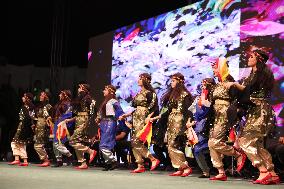
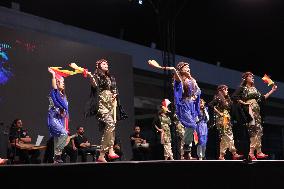
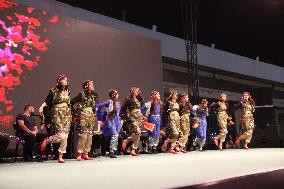
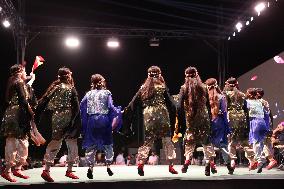
A Kurdish traditional dance troupe performs during the Damascus International Fair, the first edition held after the fall of Bashar al-Assad, showcasing cultural heritage and attracting visitors to the exhibition. Photo by Mohammad Daher/ABACAPRESS.COM

  •  
Damascus International Fair After Assad’s Fall

Damascus International Fair After Assad’s Fall

A Kurdish traditional dance troupe performs during the Damascus International Fair, the first edition held after the fall of Bashar al-Assad, showcasing cultural heritage and attracting visitors to the exhibition. Photo by Mohammad Daher/ABACAPRESS.COM

  •  
Damascus International Fair After Assad’s Fall

Damascus International Fair After Assad’s Fall

A Kurdish traditional dance troupe performs during the Damascus International Fair, the first edition held after the fall of Bashar al-Assad, showcasing cultural heritage and attracting visitors to the exhibition. Photo by Mohammad Daher/ABACAPRESS.COM

  •  
Damascus International Fair After Assad’s Fall

Damascus International Fair After Assad’s Fall

A Kurdish traditional dance troupe performs during the Damascus International Fair, the first edition held after the fall of Bashar al-Assad, showcasing cultural heritage and attracting visitors to the exhibition. Photo by Mohammad Daher/ABACAPRESS.COM

  •  
Damascus International Fair After Assad’s Fall

Damascus International Fair After Assad’s Fall

A Kurdish traditional dance troupe performs during the Damascus International Fair, the first edition held after the fall of Bashar al-Assad, showcasing cultural heritage and attracting visitors to the exhibition. Photo by Mohammad Daher/ABACAPRESS.COM

  •  
Damascus International Fair After Assad’s Fall

Damascus International Fair After Assad’s Fall

A Kurdish traditional dance troupe performs during the Damascus International Fair, the first edition held after the fall of Bashar al-Assad, showcasing cultural heritage and attracting visitors to the exhibition. Photo by Mohammad Daher/ABACAPRESS.COM

  •  
Damascus International Fair After Assad’s Fall

Damascus International Fair After Assad’s Fall

A Kurdish traditional dance troupe performs during the Damascus International Fair, the first edition held after the fall of Bashar al-Assad, showcasing cultural heritage and attracting visitors to the exhibition. Photo by Mohammad Daher/ABACAPRESS.COM

  •  
Damascus International Fair After Assad’s Fall

Damascus International Fair After Assad’s Fall

A Kurdish traditional dance troupe performs during the Damascus International Fair, the first edition held after the fall of Bashar al-Assad, showcasing cultural heritage and attracting visitors to the exhibition. Photo by Mohammad Daher/ABACAPRESS.COM

  •  
Damascus International Fair After Assad’s Fall

Damascus International Fair After Assad’s Fall

A Kurdish traditional dance troupe performs during the Damascus International Fair, the first edition held after the fall of Bashar al-Assad, showcasing cultural heritage and attracting visitors to the exhibition. Photo by Mohammad Daher/ABACAPRESS.COM

  •  
Damascus International Fair After Assad’s Fall

Damascus International Fair After Assad’s Fall

A Kurdish traditional dance troupe performs during the Damascus International Fair, the first edition held after the fall of Bashar al-Assad, showcasing cultural heritage and attracting visitors to the exhibition. Photo by Mohammad Daher/ABACAPRESS.COM

  •  
Damascus International Fair After Assad’s Fall

Damascus International Fair After Assad’s Fall

A Kurdish traditional dance troupe performs during the Damascus International Fair, the first edition held after the fall of Bashar al-Assad, showcasing cultural heritage and attracting visitors to the exhibition. Photo by Mohammad Daher/ABACAPRESS.COM

  •  
Indonesian Batik Textile Production - Jakarta

Indonesian Batik Textile Production - Jakarta

Dancers wearing Indonesian batik perform traditional dance during a dance festival event in Jakarta, Indonesia, on May 11, 2025. Indonesian batik, the nation's traditional cloth, was inscripted as a Masterpiece of Oral and Intangible Heritage of Humanity by the United Nations Educational, Scientific and Cultural Organization (UNESCO) on Oct. 2, 2009. Photo by Agung Kuncahya B./Xinhua/ABACAPRESS.COM

  •  

[Breaking News]Ritual at waterfall in western Japan

NACHIKATSUURA, Japan, April 14 Kyodo - "Miko" shrine attendants at the World Heritage-listed Kumano Nachi Taisha shrine in Nachikatsuura in Wakayama Prefecture, western Japan, dance in front of a waterfall during a ritual praying for a rich harvest on April 14, 2024. (Kyodo)

  •  
Celebration of Gannangxiang Festival - China

Celebration of Gannangxiang Festival - China

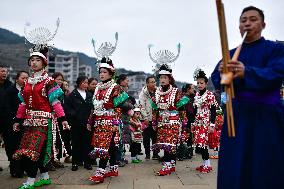
Twin sisters Yang Ningzhu (2nd L, middle row) and Yang Ningyu (3rd L, middle row) perform Lusheng dance in celebration of Gannangxiang festival in Zhouxi Town of Kaili, Qiandongnan Miao and Dong Autonomous Prefecture, southwest China's Guizhou Province, February 15, 2025. Donning in traditional attire, accompanied by the melody of Lusheng, a traditional musical instrument, local people in Kaili rejoiced the annual Gannangxiang festival in Zhouxi Town of Kaili. Every year during the festival, two pairs of twin sisters of Miao ethnic group, Yang Ningzhu and Yang Ningyu, Yang Ningwei and Yang Ningning, together with their mother Wu Qian, will come back from downtown Kaili to their grandmother's house in rural Miao village to attend this grand event. They believe that this is the best way to inherit ethnic culture. With a history of more than 400 years, the festival is inscribed on the list of provincial intangible cultural heritage of Guizhou. Photo by Xinhua/Yang Wenbin/ABACAPRESS.COM

  •  
Celebration of Gannangxiang Festival - China

Celebration of Gannangxiang Festival - China

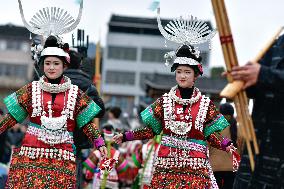
Twin sisters Yang Ningzhu (L) and Yang Ningyu perform Lusheng dance in celebration of Gannangxiang festival in Zhouxi Town of Kaili, Qiandongnan Miao and Dong Autonomous Prefecture, southwest China's Guizhou Province, February 15, 2025. Donning in traditional attire, accompanied by the melody of Lusheng, a traditional musical instrument, local people in Kaili rejoiced the annual Gannangxiang festival in Zhouxi Town of Kaili. Every year during the festival, two pairs of twin sisters of Miao ethnic group, Yang Ningzhu and Yang Ningyu, Yang Ningwei and Yang Ningning, together with their mother Wu Qian, will come back from downtown Kaili to their grandmother's house in rural Miao village to attend this grand event. They believe that this is the best way to inherit ethnic culture. With a history of more than 400 years, the festival is inscribed on the list of provincial intangible cultural heritage of Guizhou. Photo by Xinhua/Yang Wenbin/ABACAPRESS.COM

  •  
Shibing Dragon Lantern Dance - China

Shibing Dragon Lantern Dance - China

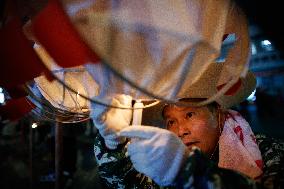
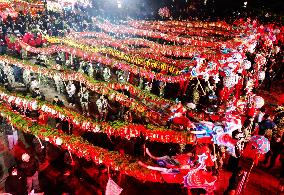
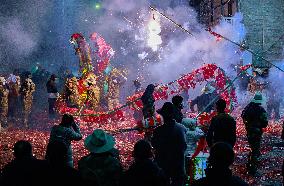
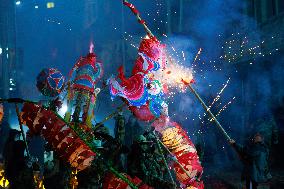
A dragon dancer lights a candle inside a dragon lantern in Shibing County of Qiandongnan Miao and Dong Autonomous Prefecture, southwest China's Guizhou Province, Feb. 6, 2025. "Shibing dragon lantern", a provincial intangible cultural heritage in Guizhou, is a festive dragon lantern dance in Shibing County and featured by the fantastic performance amid fireworks. In recent years, the dragon lantern parade has become a cultural icon of Shibing, attracting numerous tourists during holidays. Photo by Xinhua/Liu Xu/ABACAPRESS.COM

  •  
Shibing Dragon Lantern Dance - China

Shibing Dragon Lantern Dance - China

A drone photo taken on Feb. 6, 2025 shows people gathering to watch a "dragon eye dotting" ceremony in Shibing County of Qiandongnan Miao and Dong Autonomous Prefecture, southwest China's Guizhou Province. "Shibing dragon lantern", a provincial intangible cultural heritage in Guizhou, is a festive dragon lantern dance in Shibing County and featured by the fantastic performance amid fireworks. In recent years, the dragon lantern parade has become a cultural icon of Shibing, attracting numerous tourists during holidays. Photo by Yu Tianying/Xinhua/ABACAPRESS.COM

  •  
Shibing Dragon Lantern Dance - China

Shibing Dragon Lantern Dance - China

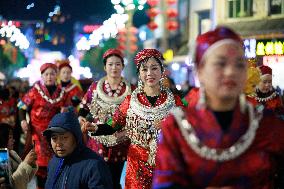
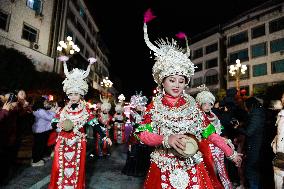
People in ethnic costume parade in Shibing County of Qiandongnan Miao and Dong Autonomous Prefecture, southwest China's Guizhou Province, Feb. 6, 2025. "Shibing dragon lantern", a provincial intangible cultural heritage in Guizhou, is a festive dragon lantern dance in Shibing County and featured by the fantastic performance amid fireworks. In recent years, the dragon lantern parade has become a cultural icon of Shibing, attracting numerous tourists during holidays. Photo by Xinhua/Liu Xu/ABACAPRESS.COM

  •  
Shibing Dragon Lantern Dance - China

Shibing Dragon Lantern Dance - China

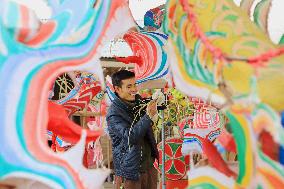
A folk artisan makes a dragon lantern in Shibing County of Qiandongnan Miao and Dong Autonomous Prefecture, southwest China's Guizhou Province, Jan. 16, 2025. "Shibing dragon lantern", a provincial intangible cultural heritage in Guizhou, is a festive dragon lantern dance in Shibing County and featured by the fantastic performance amid fireworks. In recent years, the dragon lantern parade has become a cultural icon of Shibing, attracting numerous tourists during holidays. Photo by Tai Shengzhi/Xinhua/ABACAPRESS.COM

  •  
Shibing Dragon Lantern Dance - China

Shibing Dragon Lantern Dance - China

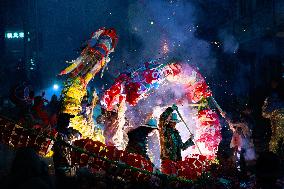
Dragon dancers perform in Shibing County of Qiandongnan Miao and Dong Autonomous Prefecture, southwest China's Guizhou Province, Feb. 6, 2025. "Shibing dragon lantern", a provincial intangible cultural heritage in Guizhou, is a festive dragon lantern dance in Shibing County and featured by the fantastic performance amid fireworks. In recent years, the dragon lantern parade has become a cultural icon of Shibing, attracting numerous tourists during holidays. Photo by Xinhua/Liu Xu/ABACAPRESS.COM

  •  
Shibing Dragon Lantern Dance - China

Shibing Dragon Lantern Dance - China

Dragon dancers perform in Shibing County of Qiandongnan Miao and Dong Autonomous Prefecture, southwest China's Guizhou Province, Feb. 6, 2025. "Shibing dragon lantern", a provincial intangible cultural heritage in Guizhou, is a festive dragon lantern dance in Shibing County and featured by the fantastic performance amid fireworks. In recent years, the dragon lantern parade has become a cultural icon of Shibing, attracting numerous tourists during holidays. Photo by Xinhua/Liu Xu/ABACAPRESS.COM

  •  
Shibing Dragon Lantern Dance - China

Shibing Dragon Lantern Dance - China

People in ethnic costume parade in Shibing County of Qiandongnan Miao and Dong Autonomous Prefecture, southwest China's Guizhou Province, Feb. 6, 2025. "Shibing dragon lantern", a provincial intangible cultural heritage in Guizhou, is a festive dragon lantern dance in Shibing County and featured by the fantastic performance amid fireworks. In recent years, the dragon lantern parade has become a cultural icon of Shibing, attracting numerous tourists during holidays. Photo by Xinhua/Liu Xu/ABACAPRESS.COM

  •  
Shibing Dragon Lantern Dance - China

Shibing Dragon Lantern Dance - China

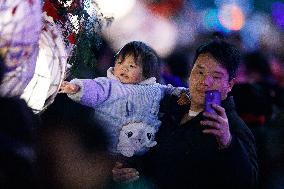
A little girl touches a dragon lantern in Shibing County of Qiandongnan Miao and Dong Autonomous Prefecture, southwest China's Guizhou Province, Feb. 6, 2025. "Shibing dragon lantern", a provincial intangible cultural heritage in Guizhou, is a festive dragon lantern dance in Shibing County and featured by the fantastic performance amid fireworks. In recent years, the dragon lantern parade has become a cultural icon of Shibing, attracting numerous tourists during holidays. Photo by Xinhua/Liu Xu/ABACAPRESS.COM

  •  
Shibing Dragon Lantern Dance - China

Shibing Dragon Lantern Dance - China

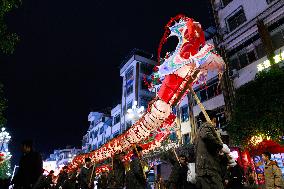
Dragon dancers parade in Shibing County of Qiandongnan Miao and Dong Autonomous Prefecture, southwest China's Guizhou Province, Feb. 6, 2025. "Shibing dragon lantern", a provincial intangible cultural heritage in Guizhou, is a festive dragon lantern dance in Shibing County and featured by the fantastic performance amid fireworks. In recent years, the dragon lantern parade has become a cultural icon of Shibing, attracting numerous tourists during holidays. Photo by Xinhua/Liu Xu/ABACAPRESS.COM

  •  
Shibing Dragon Lantern Dance - China

Shibing Dragon Lantern Dance - China

Dragon dancers parade in Shibing County of Qiandongnan Miao and Dong Autonomous Prefecture, southwest China's Guizhou Province, Feb. 6, 2025. "Shibing dragon lantern", a provincial intangible cultural heritage in Guizhou, is a festive dragon lantern dance in Shibing County and featured by the fantastic performance amid fireworks. In recent years, the dragon lantern parade has become a cultural icon of Shibing, attracting numerous tourists during holidays. Photo by Xinhua/Liu Xu/ABACAPRESS.COM

  •  
Shibing Dragon Lantern Dance - China

Shibing Dragon Lantern Dance - China

Dragon dancers perform in Shibing County of Qiandongnan Miao and Dong Autonomous Prefecture, southwest China's Guizhou Province, Feb. 6, 2025. "Shibing dragon lantern", a provincial intangible cultural heritage in Guizhou, is a festive dragon lantern dance in Shibing County and featured by the fantastic performance amid fireworks. In recent years, the dragon lantern parade has become a cultural icon of Shibing, attracting numerous tourists during holidays. Photo by Xinhua/Liu Xu/ABACAPRESS.COM

  • Main
  • Top
  • Editorial
  • Creative
  • About Us
  • About ILG
  • Terms of use
  • Company
  • BEHIND
  • Price List
  • Single Plan
  • Monthly Plan
  • Services
  • Shooting
  • Rights Clearance
  • Support
  • FAQ
  • How To Buy
  • Contact Us
  • Become a Partner

© KYODO NEWS IMAGES INC

All Rights Reserved.

  • Editorial
  • Olympics
  • News
  • Sports
  • Japan
  • Tech
  • Royal
  • Disaster
  • NorthKorea
  • Old Japan
  • SNS
  • Creative
  • Food
  • Japan
  • Landscape
  • Animal
  • Popular
  • #Ukraine
  • #China
  • #coronavirus
  • #N. Korea
  • #Russia
  • #Thailand
  • #Ukraine
  • #China
  • #coronavirus
  • #N. Korea
  • #Russia
  • #Thailand
  • Food
  • Japan
  • Landscape
  • Animal
  • Olympics
  • News
  • Sports
  • Japan
  • Tech
  • Royal
  • Disaster
  • NorthKorea
  • Old Japan
  • SNS